





Description
Crystal Meth (Ice): Understanding the Risks and Effects
Crystal meth, commonly known as “Ice,” is a powerful stimulant that affects the central nervous system. It is a highly addictive substance associated with serious physical, psychological, and social consequences. Understanding the risks of crystal meth use is important for public awareness and education.
What Is Crystal Meth?
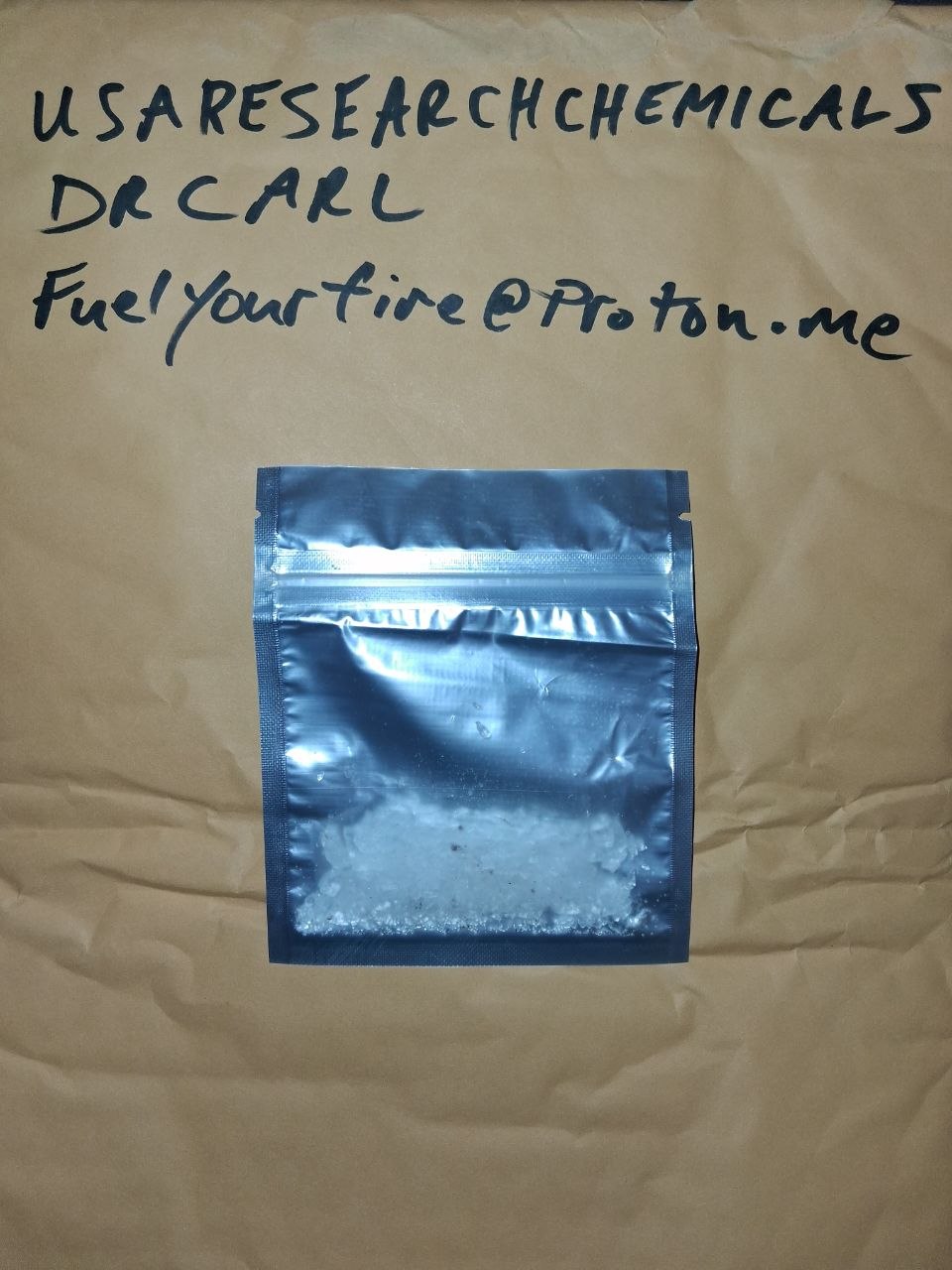
Crystal meth is a form of methamphetamine that typically appears as clear or bluish crystal-like fragments. It stimulates the release of certain brain chemicals, producing intense feelings of alertness and energy. However, these effects come with significant health risks.
Short-Term Effects of Crystal Meth
The immediate effects of crystal meth can include increased energy, reduced appetite, elevated heart rate, and heightened wakefulness. Some individuals may also experience anxiety, agitation, or paranoia.
Long-Term Health Risks
Long-term methamphetamine use can contribute to severe health complications. These may include cardiovascular problems, dental damage, cognitive impairment, sleep disturbances, and mental health challenges. Dependence and addiction can develop quickly.
Addiction and Recovery
Methamphetamine has a high potential for addiction. Recovery often involves professional treatment, behavioral therapies, support networks, and ongoing medical care. Early intervention can improve long-term outcomes.
Legal and Safety Considerations
Methamphetamine is a controlled substance in many countries. Possession, distribution, and manufacture may carry severe legal penalties. Individuals struggling with substance use are encouraged to seek professional support and evidence-based treatment options.
Final Thoughts
Crystal meth remains one of the most harmful stimulant drugs due to its addictive nature and serious health risks. Education, prevention, and access to treatment play important roles in reducing harm and supporting recovery. Order Now MDMA / MOLLY
